
Voice Theory
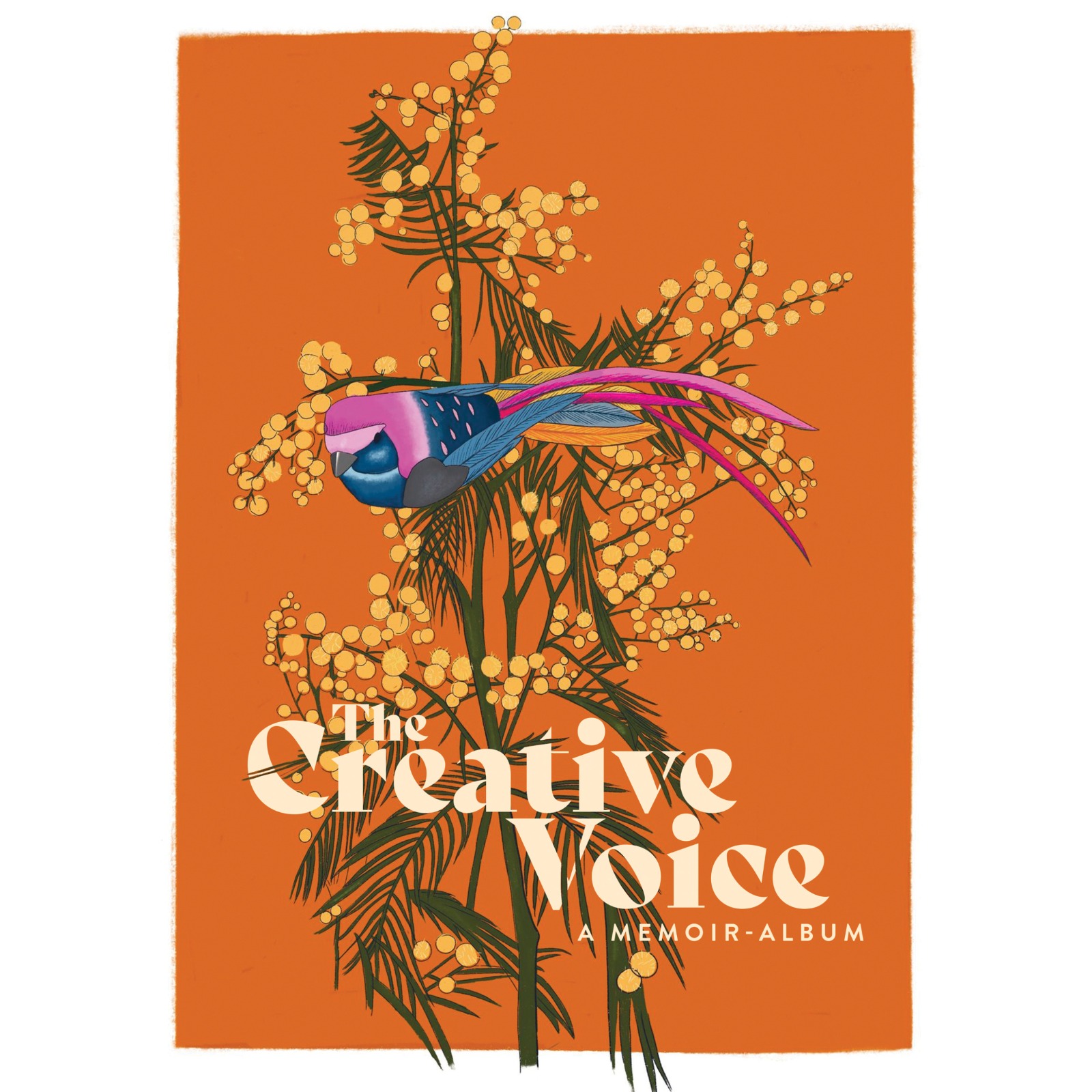
I have just completed an MA in Voice Theory at Warwick. My professor very kindly let me, actually encouraged me, to draw from the work I had written in my book, The Creative Voice.
This was not a small generosity on his part. This was a seminal moment when my creative arts could inform my career, and I would not have included it without his blessing.
The Creative Voice was a memoir-album I wrote to tell the story of how I lost my creativity under crushing academic pressure when I was 16 and what it took to get it back again. It was meant to be a children’s book about a girl that finds her voice but it became something else of its own accord.
It ended up being a theoretical memoir-album on the topic of the voice.
It was the work of a lifetime that almost nobody read. The Creative Voice was a theory of voice: self-expression, self-actualisation, but anchored around the voice. And hardly anyone bought it. My friends and family did, but only if I knew them personally.
I left with this strange feeling-how could something so important be so ignored? But I was used to failure. I had failed at most things.
The voice felt important
Still, there was this feeling about the voice, the concept itself. I felt as though I had discovered something important.
I found my way to Warwick, being taught by a group of academics that shared my interest in human development. There was even a module called Vocation and Calling-as in vocation, from the Latin ‘vox’ for voice.
I loved the course, but I was perpetually argumentative in seminars with my professors. I asked too many questions. Actually I never shut up in those classes. I would even say I was belligerent in the module on Vocation and Calling.
Never before had I felt able to challenge an academic community. Never before had I felt that I had my view on the debate. But I did and do; I have very strong views on the voice. I feel so strongly that schools and societies should be listening to voices rather than perpetually silencing them.
I discovered in my research that it is the voice that holds all our answers. Of three participants in my study, all told me what they wanted to do within the first 10 minutes of their first sessions.
But equally, none heard themselves. Not one. I had to repeat their words back to them for them to hear what they had said. Voice theory encourages people to listen to their own voices.
And I have the feeling this is only just the beginning of mine. Maybe the moment where passion becomes career is when passion takes over everything else so all you can do: is listen.